What Is The Prettiest Town In Lanzarote?
Teguise, Yaiza, Haria, Femes and the wine villages of Uga and Masdache, ranked and compared, with the wine-country angle most lists miss.
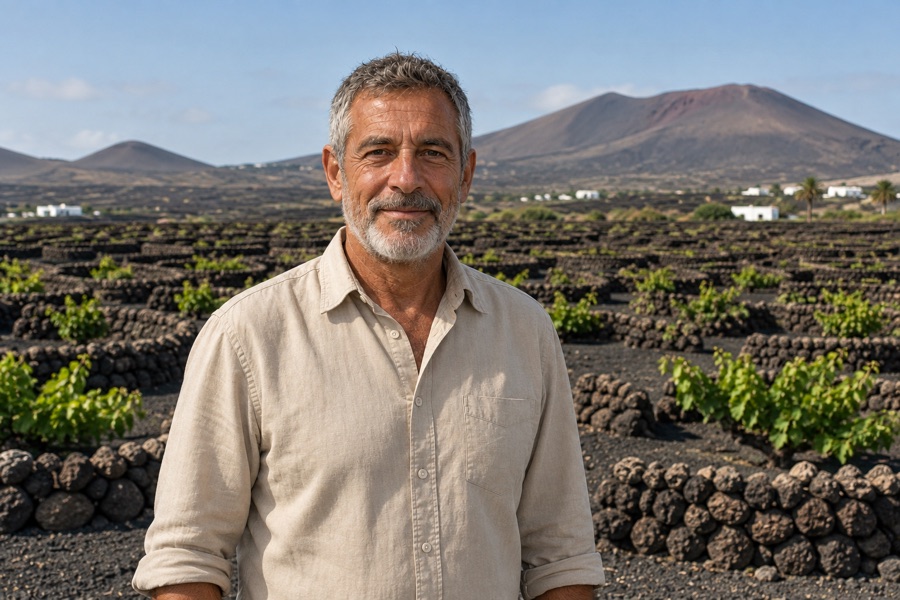 By Sergio Betancort, Lanzarote Wine Tour Specialist and Volcanic Vineyard Guide
What Is The Prettiest Town In Lanzarote?
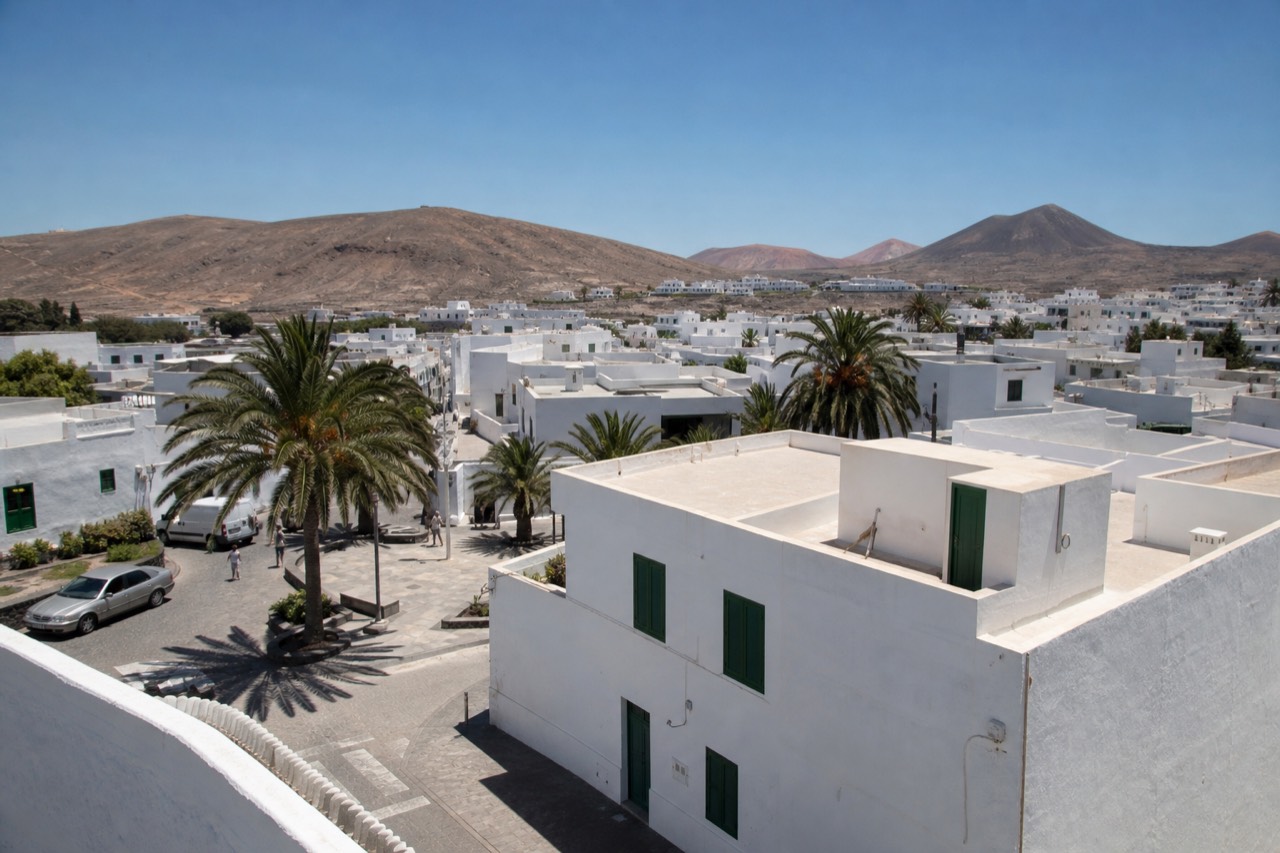
Teguise is the prettiest town in Lanzarote, and it has the recognition to back the title: it appears in the Los Pueblos Mas Bonitos de Espana network, Spain's official association of the country's most beautiful towns. Yaiza, the white village at the foot of the volcanoes, and Haria, the palm-filled valley village in the north, are the honest challengers. For wine travellers, the quiet villages of Uga and Masdache are the prettiest places nobody puts on a list.
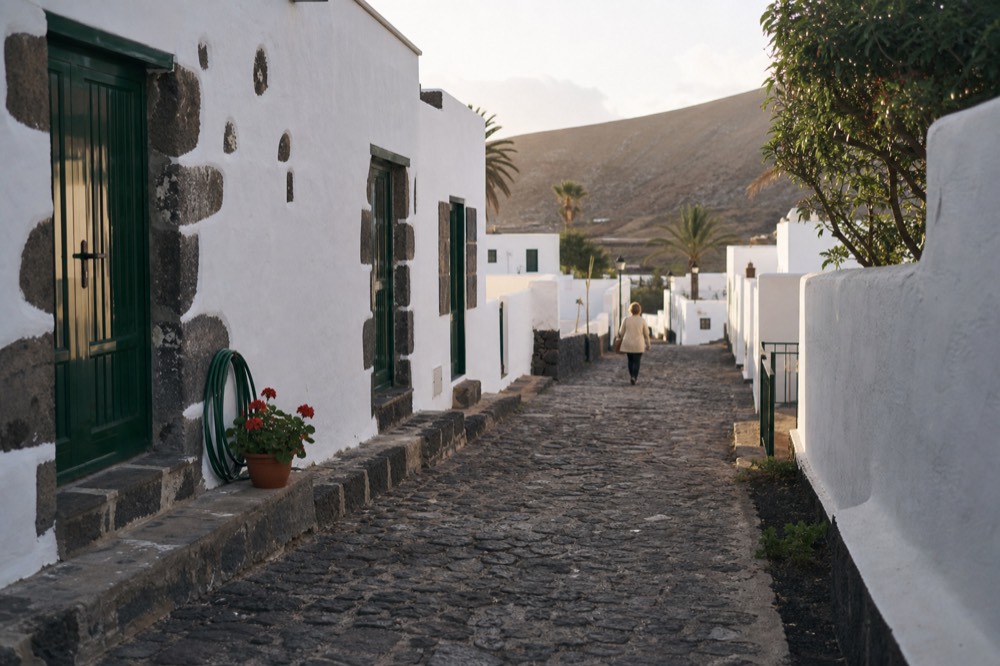
That answer comes with a caveat worth stating up front. "Prettiest" on Lanzarote is not one aesthetic but several. Teguise is old stone and cobbles, a former island capital of low 16th- and 17th-century houses around a pair of churches. Yaiza is a single immaculate street of whitewashed cubes framed by black volcano cones. Haria is green, a valley of palm trees that feels like a different island from the ash plain of La Geria. A visitor with two days can see all three and still have time for a tasting.
The reason this site takes an interest goes beyond postcards. Three of the prettiest settlements on the island, Uga, Masdache and the La Geria hamlet itself, sit inside the protected wine landscape, and one of them, Yaiza, is the municipal seat that administers most of it. The prettiest-town question and the wine-tour question converge on the same stretch of the LZ-30. If you are planning a day of tastings, you are already going to drive through two or three of the places on this list whether you meant to or not.
For context on how much company you will have while looking: Lanzarote recorded 3,455,200 tourist arrivals in 2025, a record, up 1.4 per cent on 2024. The pretty places are not secret, but they are small enough that a half-hour detour at the right time of day still feels private.
Why Teguise Holds The Title
Teguise earns the top spot on three grounds: it is the oldest town on the island and Lanzarote's former capital, it carries the Pueblos Mas Bonitos de Espana recognition that no other Lanzarote town holds, and its Sunday market turns the whole historic core into a living street scene rather than a museum piece. Its low stone houses, wooden balconies and two churches sit within a walkable grid that takes under an hour to see properly.
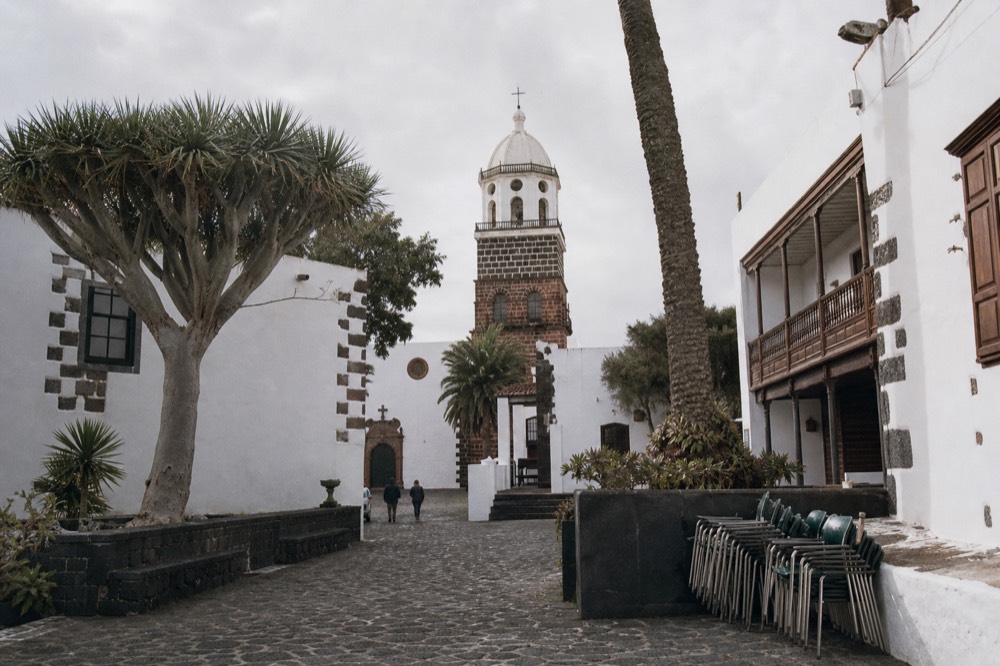
Teguise was the capital of Lanzarote until Arrecife took over the role in the 19th century, and the demotion is what preserved it. Nothing needed to grow, so nothing did. The town's listing in the Los Pueblos Mas Bonitos de Espana network, reported by Diario de Lanzarote, is the closest thing the island has to an official beauty verdict, since the network vets its member towns against criteria covering heritage and conservation.
The practical advice matters as much as the verdict. Teguise's Sunday market fills the streets with stalls and crowds; if you want the town at its prettiest and quietest, come on a weekday morning, when the same cobbles and doorways are nearly empty. And note the wine connection: Teguise sits at the northeastern end of the LZ-30, the road that runs the length of La Geria from the Monumento al Campesino junction down to Uga. A morning in Teguise and an afternoon of tastings along the LZ-30 is one of the best-looking day plans the island allows.
Yaiza: The White Village At The Volcano Gateway
Yaiza is the prettiest village rather than town, a single immaculate street of whitewashed, green-shuttered houses running quiet and clean beneath the volcano slopes, framed by the black cones of the Timanfaya lava field two kilometres away. It is also the administrative gateway to the south's wine country: the LZ-30 wine road runs through its municipality, and most La Geria bodegas carry a Yaiza address.
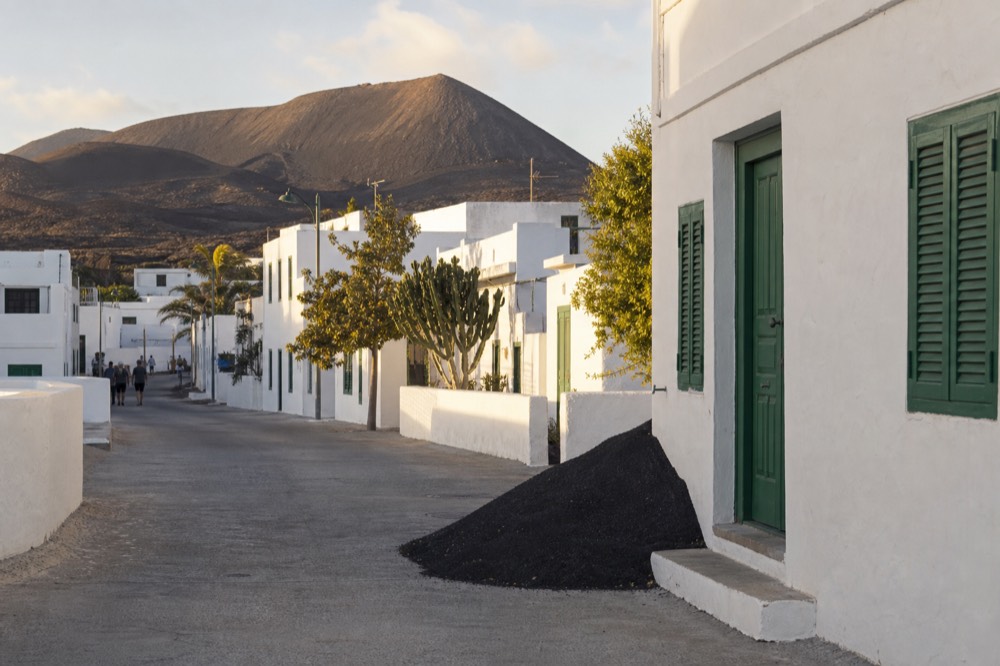
The contrast is the whole point of Yaiza. You stand on a spotless white pavement under a jacaranda and look straight at the terrain that six years of eruptions between 1730 and 1736 turned into the Timanfaya lava field. The village itself sits just outside the destruction, and its prettiness is the kind that comes from restraint: low white cubes, no high buildings, no billboards. UNESCO credits the island's restraint on urban excess to the Insular Land Plan adopted in 2001, and Yaiza is where you see that policy most cleanly.
For wine travellers Yaiza is a working base rather than a detour. Uga, Stratvs and Bodega La Geria are all in the same municipality, and the village makes a natural first or last stop on a La Geria loop. The CACT visitor centres of the south, including Montanas del Fuego, are minutes away, though note that Montanas del Fuego now sells no tickets at the gate at all: booking a date and time slot online in advance is mandatory, per the operator's own FAQ. That single rule has quietly killed the old "swing by Timanfaya after the winery" plan, and it is worth building your day around a fixed slot.
Haria: The Green North
Haria, in the island's northern valley, is the prettiest town for anyone whose ideal is green rather than volcanic, a settlement ringed by thousands of palm trees that looks nothing like the ash plain of La Geria. Its plaza, its craft shops and its slow morning rhythm make it the strongest challenger to Teguise, and the drive north through the wine municipality of Teguise's highlands is part of the experience.
The Valley of a Thousand Palms, as Haria's setting is known, exists because of a local tradition of planting a palm for every child born. Whether the count is exactly a thousand, nobody seriously audits, but the effect from the approach road is undeniable: after the bare browns of the central island, you drop into a green bowl. Cesar Manrique chose to live out his last years nearby, and his former home in the valley is one of the island's quieter visitor sights.
Haria is a half-day at most, and it pairs naturally with the northern CACT centres such as Mirador del Rio and the Jardin de Cactus at Guatiza, the latter on the road back toward the wine country. It is also where the prettiest-town question gets honest: if your holiday is beaches and volcanoes, Haria is a long way from both, and Yaiza will serve you better.
FeméS And The Southern Villages
Femes is the prettiest of Lanzarote's small mountain villages, a cluster of white houses stacked on a hillside above Playa Blanca with a single road in and views down to Fuerteventura on a clear day. It is tiny, a church, a couple of restaurants and a few dozen houses, which is exactly why it feels like the island's most cinematic hamlet rather than another resort suburb.
Femes earned its film credentials literally: the village featured in the Spanish novel and series that made its whitewashed silhouette familiar to a whole generation of Spanish viewers. Getting there is easier than it was, since the Avenida de Femés approach into the neighbouring area reopened to two-way traffic in September 2026 after 1.3 million euros of municipal works including widening and a cycle lane, a change reported by the Yaiza municipal information service.
The honest planning note: Femes is a stop, not a destination. Give it forty minutes, a coffee on the terrace, and the drive down. Combine it with Playa Blanca's seafront or with the wine country to the north, both within half an hour. And if you are staying in Playa Blanca, note that no wine tour on the island's roster publishes a Playa Blanca pickup, so the self-drive or taxi leg to a pickup point is part of the deal from the south.
Uga And Masdache: The Wine Villages The Lists Never Name
Uga and Masdache are the prettiest places on Lanzarote that no prettiest-town list mentions, because they are not towns at all but wine villages inside the Paisaje Protegido de La Geria: Uga a white hamlet of camel handlers and wineries at the southern end of the LZ-30, Masdache a scatter of bodegas and vine pits along the road itself. Their beauty is the landscape they sit in, 36 vine pits to the hectare in the deepest-ash zone.
This is where the prettiest-place question and this site's subject become the same question. The vine pits of La Geria, hollows roughly three metres across and two to two and a half metres deep dug through the volcanic ash to the buried soil, with their semicircular zoco walls all facing the same way against the north-northeasterly trade winds, are the most photogenic farmland in Spain that never appears in a town ranking. Lanzarote's growing system has been on the FAO's Globally Important Agricultural Heritage Systems list since 2025, which is as close to an official beauty verdict as a farm landscape can get.
Uga is the practical anchor. Stratvs, founded in 2008 around a traditional Canarian house from 1730, sits there with 52 hectares of century-old vines in La Geria plus 25 in Uga, daily tours and a restaurant open from 12:30. Masdache, a few kilometres north, is where Bodegas Vega de Yuco and Bodegas Martinon, founded 2006, sit among the vine pits, with El Grifo's 1775 bodega a short drive further on toward San Bartolome. A reader deciding between the famous towns and the wine villages does not really have to choose: the LZ-30 strings them together, and every major resort sits within half an hour of it.
If you want the landscape rather than the tasting rooms, the hiking options put you directly among the pits and cones: the Small-Group Hike with Wine And Cheese covers volcanoes and vineyards in four hours with pickup included, from $55, rated 4.9 across 211 reviews and limited to 10 participants. Read more about the setting itself in the La Geria wine region guide.
The whole landscape exists because of a catastrophe. The eruptions of 1730 to 1736 buried farmland across southern Lanzarote under a thick layer of volcanic ash, and farmers discovered that the ash, called picon, acts like a sponge: it lets the rare rainfall soak straight through, cutting evaporation and steadying the soil's temperature, then holds it where the roots can reach it. Digging individual pits down to the surviving soil, and walling each one on the windward side with a semicircular zoco of loose stone, turned a disaster into one of the world's most unusual vineyards. The zoco also shields each vine from wind damage and keeps the ash from blowing back into the hollow.
The grape at the centre of it all is Malvasia Volcanica, the white variety Lanzarote is known for, though Listan Blanco and Diego are also grown here. Because the island gets so little rain, the vines are planted singly, one to a pit, and are never irrigated; the picon layer does the water work. The result is low yields of concentrated fruit, which is why even the island's everyday whites carry a mineral, saline edge that comes straight from the black ground.
For planning a visit, the practical pattern is simple. A few bodegas along the LZ-30 pour walk-in glasses on the terrace, though guided tours normally need booking ahead, but the guided tours, especially at Stratvs and El Grifo, are worth reserving ahead in high season. The road itself is narrow and carries a steady stream of cars and tour buses, so cyclists and walkers should use the marked pull-offs when stopping to photograph the pits. Sunset is the best hour: the low light turns the black ash silver-grey and throws the zoco walls into relief, and the trade winds usually drop in the evening. Camel rides through the nearby ash fields operate out of the Uga area and pair naturally with a morning of tastings, since the handlers' village is right there.
Which One Should You Actually Visit?
Visit Teguise if you want the historic-town answer and can only see one place; visit Yaiza if your day is built around Timanfaya or the southern bodegas; visit Haria if you have a second day and want the island's green side; and drive the LZ-30 through Uga and Masdache regardless, because that is the scenery the rest of the island is famous for. One day can hold Teguise in the morning and La Geria in the afternoon.
The distances make this easy. Every major resort on Lanzarote is inside half an hour of La Geria by road: about 17 minutes from Puerto del Carmen, about 25 from Playa Blanca, about 29 from Costa Teguise, and these are routing estimates rather than official figures. Teguise adds only minutes to the Costa Teguise side of that map. Nothing on this list requires an expedition, which is why the honest answer to the prettiest-place question is "several of them, in one day".
| Place | What it is | Why it is pretty | Best paired with |
|---|---|---|---|
| Teguise | Former island capital, historic town | Old stone houses, churches, Pueblos Mas Bonitos listing | LZ-30 wine road, Sunday market |
| Yaiza | White village, municipal seat | Immaculate white street against black volcano cones | Timanfaya, southern bodegas |
| Haria | Northern valley town | Palm-filled green valley, slow plaza | Mirador del Rio, Jardin de Cactus |
| Femés | Hillside hamlet above Playa Blanca | Stacked white houses, views to Fuerteventura | Playa Blanca seafront |
| Uga | Wine village, end of the LZ-30 | Vine pits, camel tradition, Stratvs winery | La Geria tasting loop |
| Masdache | Wine hamlet on the LZ-30 | Bodegas among the hoyos, open ash landscape | El Grifo, Vega de Yuco, Martinon |
One more pairing is worth naming for the evening. The island's prettiest places change character after dark, and the Evening Tour with LagOmar Visit, 5.5 hours with pickup included, from $80, rated 4.1 across 174 reviews, runs a tasting of cheese, olives and toasted bread with dinner paid separately at the restaurant, and it is one of the few products on the roster that shows you the island at night without you having to drive it. Spain's breath-alcohol limit of 0.25 mg/l, lower than the UK's 0.35, is the unglamorous reason a driven evening beats a self-drive one after a tasting. Lanzarote Wine Tours covers the tasting options in more depth in the Lanzarote wine tasting guide.
For the broader sightseeing picture beyond the pretty towns, see what not to miss on Lanzarote.
The short answers: Teguise is the prettiest town, Yaiza the prettiest village, Haria the prettiest green escape, and Uga and Masdache the prettiest places nobody lists. The questions below cover the practical versions readers actually ask.
Common Questions About The Prettiest Towns In Lanzarote
What Is The Prettiest Town In Lanzarote?
Teguise, on the strength of its historic core, its status as the island's former capital and its listing in the Los Pueblos Mas Bonitos de Espana network. Yaiza and Haria are the strongest alternatives, and the wine villages of Uga and Masdache are the prettiest places the lists never name.
Is Teguise Worth Visiting?
Yes, and it is at its best on a weekday morning when the streets are quiet. The Sunday market is the busy, lively version of the town; the weekday version is the photogenic one.
Can You Visit The Pretty Towns And The Wineries In One Day?
Yes. Teguise sits at the northeastern end of the LZ-30, the road that runs the length of La Geria to Uga, and every major resort is within half an hour of the wine country. A morning in Teguise and an afternoon of tastings is a standard day plan.
What Is The Prettiest Village Near Playa Blanca?
Femes, a small hillside hamlet of white houses with views down toward Fuerteventura. It is a short stop rather than a destination, and the approach road reopened to two-way traffic in September 2026 after municipal works.
Is Haria Worth The Drive From The South?
If you have a second day, yes. Haria's palm-filled valley looks unlike anywhere else on the island, and it pairs with the northern visitor centres such as Mirador del Rio. If you only have one day built around wine and volcanoes, Yaiza serves you better.