Is La Geria Worth Visiting?
Is La Geria worth visiting? The honest answer: yes, with conditions. It's a working volcanic vineyard, not a Napa strip, and half an hour may be enough for some.
 By Sergio Betancort, Lanzarote Wine Tour Specialist and Volcanic Vineyard Guide
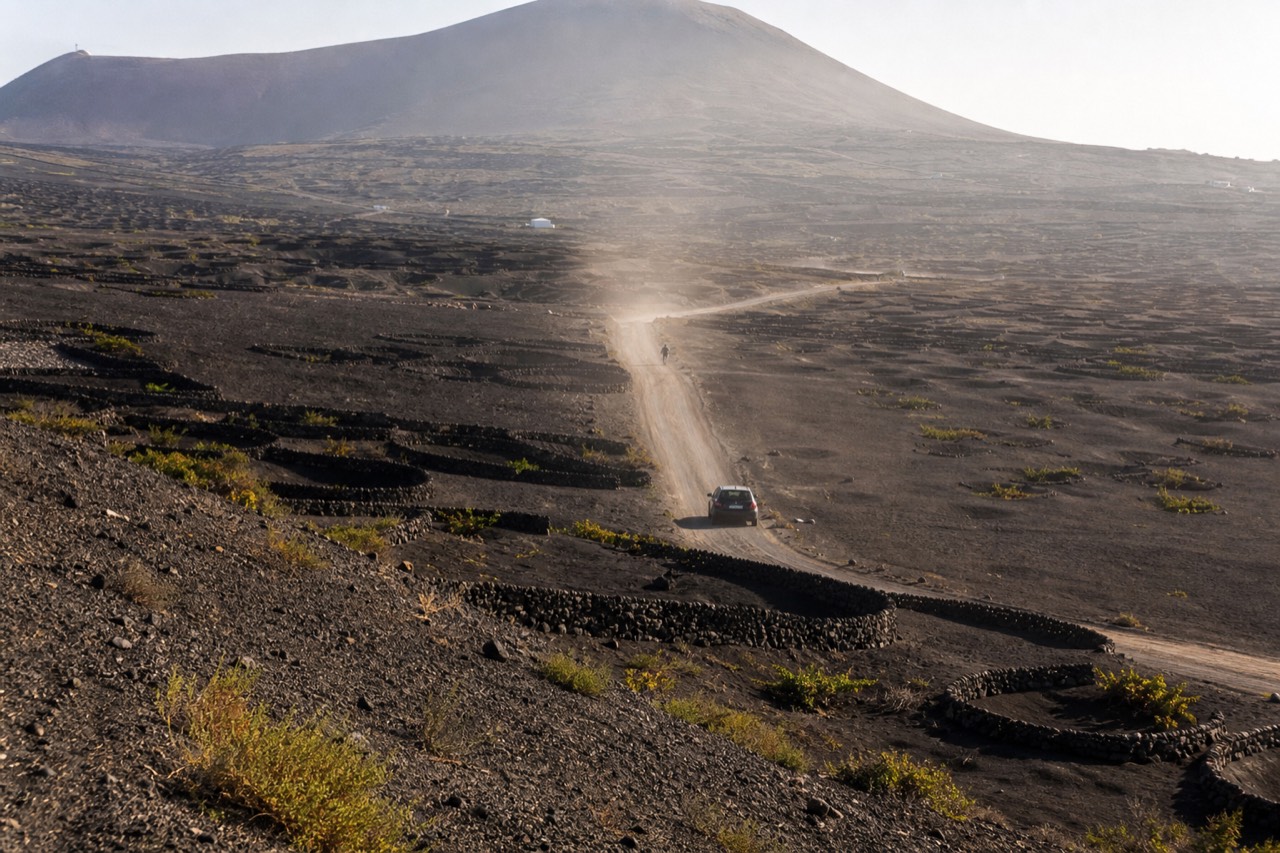
Is La Geria Worth Visiting?
Yes, with a few honest conditions. La Geria is a working volcanic vineyard landscape, not a wine-tourism strip, and a half-hour drive-through is enough for some visitors. The real answer changes if you want to taste wine but cannot drive, or if you expect a manicured Napa-style experience.
Here at Lanzarote Wine Tours, we get asked this question more than any other. The short truth is that La Geria is one of the most unusual wine regions on earth: vines growing one to a pit, dug down through black ash, each sheltered by a semicircular stone wall, but it is not a place where you stroll from tasting room to tasting room. It is a protected agricultural landscape where farmers still hand-harvest grapes into baskets, and the tasting rooms are the bodegas themselves, often just a terrace with a few bottles and a plate of cheese. If that sounds like your kind of place, the answer is yes. If you are looking for a polished wine trail with gift shops and a dozen walk-in bars, you may be disappointed.
The conditions that flip the answer are practical. Can you get there? Every resort on the island is inside half an hour of La Geria, so distance is not the issue, but Spain's drink-drive limit is lower than the UK's, and a tasting flight will not leave most people confidently under it. If you are the driver, you will be spitting or skipping. If you want to taste properly, you need a plan: a guided tour with transport, a hike with a pickup, or a very patient designated driver. That one constraint is the honest centre of the La Geria decision. What you get in return is a landscape that does not exist anywhere else in Europe, and the chance to taste wines made from grapes grown in volcanic ash.
How Do You Actually Visit La Geria?
You can drive yourself, join a guided tour, or hike. Self-drive is the simplest way to see the landscape, but if you want to taste wine, you need a driver who is not drinking. Guided tours with pickup remove that problem entirely, and a guided hike lets you walk through the vineyards while someone else handles the logistics.
The LZ-30 is the road that runs the length of La Geria from the Monumento al Campesino junction down to Uga. It is a well-maintained two-lane road with recent resurfacing along the Teguise-to-Mozaga stretch, and you can drive it end to end in a short hop without stopping. Our full driving guide for the La Geria wine route covers every stop and turn, but the short version is simple: pull over at the informal viewpoints, take a photo of the black pits and the semicircular stone walls, and you have seen the landscape. That half-hour loop is enough for many visitors, and it is free.
The distances from the main resorts are short, which makes a quick visit easy even on a beach day.
| Resort | Distance to La Geria | Typical drive time |
|---|---|---|
| Puerto del Carmen | 14.0 km | ~17 min |
| Playa Blanca | 23.7 km | ~25 min |
| Costa Teguise | 28.2 km | ~29 min |
| Arrecife (town centre) | 20.2 km | ~21 min |
The complication is the drink-drive law. Spain's general limit is 0.25 mg/l in breath, lower than the UK's 0.35, and a single glass of wine can push a small person close to it. A tasting of three or four wines, even with spitting, is a risk. The police do test, and the penalties are serious. This is the reason guided tours exist for La Geria, and it is an honest one, not a marketing line. The Natural Wines, Canarian Pairing experience is a one-and-a-half-hour tasting that pairs artisanal cheese and a seasonal Canarian plate with volcanic wines, and it is capped at ten people. If you want the full day, the Three Wineries, Six Wines tour picks you up and visits three bodegas over three and a half hours.
A guided hike solves the same problem and adds something the drive cannot: you walk through the vines, you see the hoyos up close, and you finish with a tasting on a terrace. The Small-Group Hike, Wine And Cheese is a four-hour walk that includes pickup from your resort, so you never touch a steering wheel. It is capped at ten people, and the tasting is wine and local cheese at the end.
If you prefer to drive and taste, you can still do it, but you need a plan. The bodegas that sell wine by the glass are few, and they are not bars. Bodegas Los Bermejos offers a glass on its terrace for €3.50 with a cheese cap, and Bodega La Geria has a bar-cafeteria, but these are not designed for a tasting crawl. A better approach is to book a driven tour that visits two or three wineries, with someone else at the wheel and a guide doing the tasting talk, or to bring a designated driver and stick to one or two stops. The key is to check the listing for whether the tasting is included and whether transport is provided.
What Makes La Geria's Landscape So Unusual?
La Geria is a 5,255-hectare protected landscape where vines are planted one to a pit, each pit dug about three metres across and two to two and a half metres deep through black volcanic ash to reach the buried pre-eruption soil. The ash is from the 1730 to 1736 eruptions, and the semicircular stone walls all face the same way because the wind does.
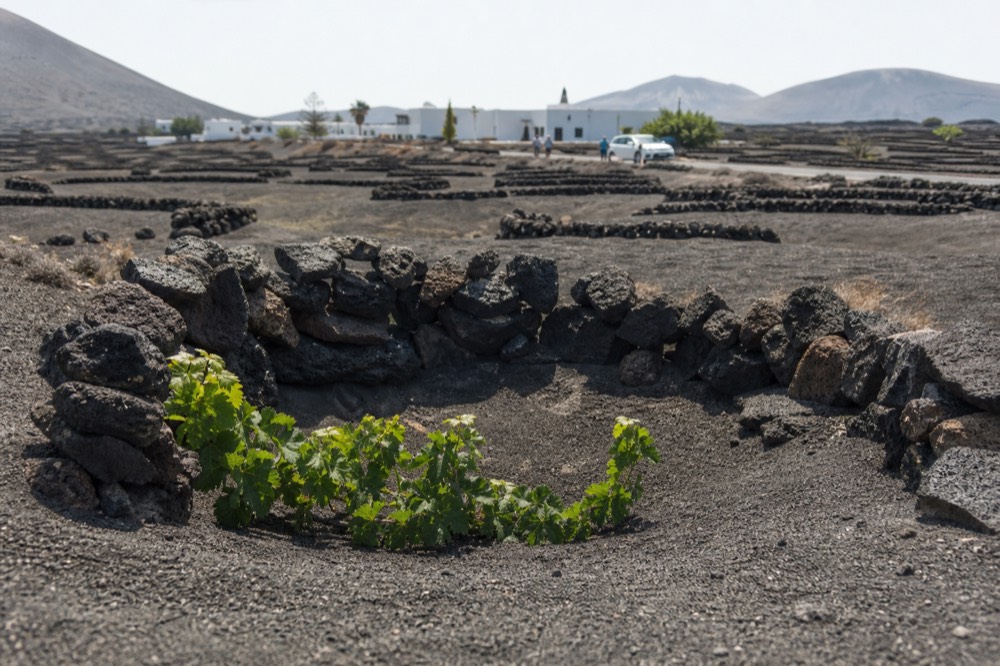
The numbers are startling. In the deepest-ash zone north of Montaña Chupaderos, there are about 36 vine pits per hectare. A conventional vineyard in Rioja or Bordeaux runs to several thousand vines per hectare. The legal ceiling for the DO Lanzarote is 7,000 kg of grapes per hectare, but La Geria actually yields around 1,000 kg. The pits are spaced so far apart because the lower the ash layer, the bigger the pit has to be, and the less land you can plant. The result is a landscape that looks like a black crater field, not a vineyard. We go deeper into the growing method in our guide to how Lanzarote grows wine in volcanic ash, but the short version is that this is desert farming, and it works because of the picón.
The stone walls, called zocos, are not decorative. They are windbreaks, and they all face the north-northeast because the trade winds blow from that direction. The lapilli, or picón, lets what little rain there is soak straight through, stops the soil beneath from drying out, and evens out soil temperature. Under 150 mm of rain falls in a year, and effectively none between June and August. The diurnal temperature swing can reach 17°C in a single day, which is typical of desert climates, and the vines have adapted to this over centuries. This is not a landscape that was designed for visitors, and that is precisely what makes it worth seeing.
What Can You Do In La Geria?
You can visit wineries, taste wine, walk the landscape, and photograph the volcanic pits. The bodegas are the heart of the experience, and each offers a different angle: a historic winery with a museum, a modern bodega with a restaurant, a terrace tasting with cheese, or a guided vineyard walk.
The wineries that open to visitors are scattered along the LZ-30 and the side roads. El Grifo, founded in 1775, has a wine museum and offers tastings from €15 per person. The winery marked the close of its 250th anniversary year in October 2025 with an official visit by the Spanish Minister of Agriculture, and it won two gold medals at Mundus Vini 2026. Bodega La Geria, in the heart of the valley, runs guided tours with a 12-day booking window, and its bar-cafeteria has panoramic views of the Timanfaya volcanoes. Bodegas Rubicón has free access to its facilities daily and guided tours with cheese tastings at €22 per person. Bodegas Los Bermejos sells wine by the glass on its terrace for €3.50 with a cheese cap. Bodega Stratvs has a restaurant open daily from 12:30 to 19:00. Each one is a real working winery, not a visitor centre, and the hours and availability change. Check the live listing before you go.
The most vivid way to see the landscape is on foot. A guided hike takes you into the vineyards, past the old pits, and up to viewpoints where you can see the black crater fields stretching toward the volcanoes. The tasting at the end ties the walk together. If you prefer to stay on the road, the LZ-30 itself is a scenic drive, and you can stop at any of the pull-offs to walk a few metres into the ash. The Casa Museo del Campesino, a free museum and monument to the island's farming heritage designed by César Manrique, sits at the northern end of La Geria and is worth a stop if you want to understand the agricultural context before you drive through.
A multi-winery tour with transport is the most efficient way to taste several bodegas in one afternoon without worrying about driving. The Three Wineries, Six Wines tour is a three-and-a-half-hour guided experience that visits three different bodegas, includes a tasting of six wines and Lanzarote goat cheese, and is capped at eight travellers. It picks up from your resort, so you can taste freely. La Geria is compact enough that a three-and-a-half-hour tour covers a lot of ground, and the small group size means you are not waiting for a coach-load of people at every stop.
Is La Geria Worth Visiting If You Don't Drink Wine?
Yes, but the experience is thinner. The landscape is genuinely unique, and a short drive or walk through La Geria is worth it for the photography and the sense of place. Without wine, you will likely spend less than an hour, and you should plan to combine it with another stop.
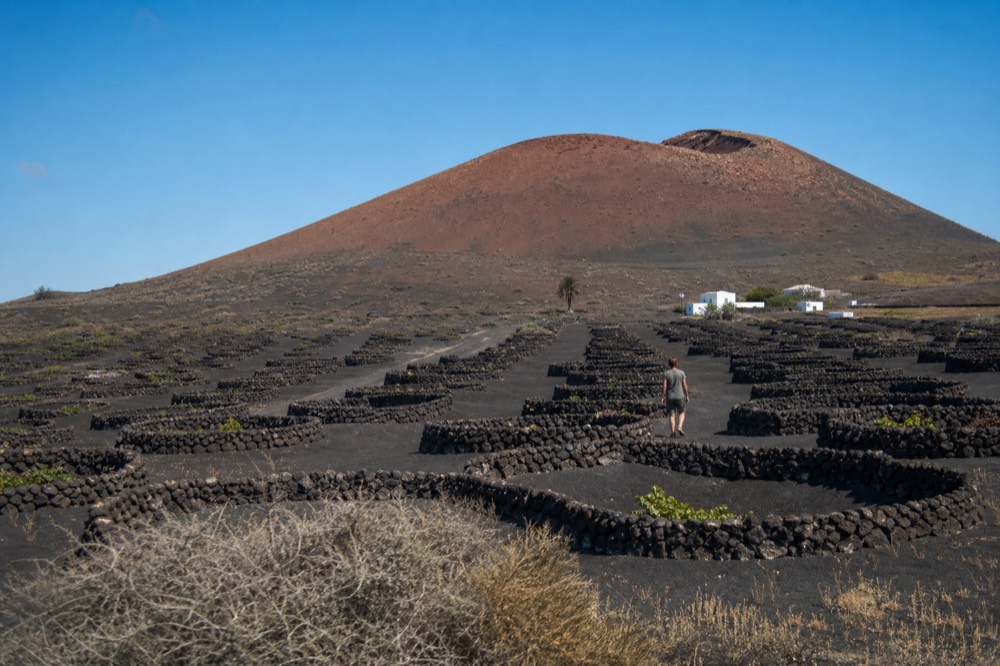
The volcanic crater-field landscape is unlike anything else in Europe. The pits, the black ash, the stone walls, the backdrop of the Timanfaya volcanoes, and it is a photographer's destination. You can drive the LZ-30, stop at the viewpoints, and walk around the edge of a vineyard in half an hour. The contrast between the black ash and the bright green of the vines is at its sharpest in the early morning or late afternoon, and the light at those times makes the zocos cast long shadows across the pits. The Casa Museo del Campesino, at the northern end of La Geria, is free and open daily from 10:00 to 18:00, with a monument to fertility by César Manrique and exhibits on the island's farming traditions.
If you are not drinking, skip the tasting rooms. The bodega shops sell wine, but the experience is built around the tasting. Instead, combine La Geria with a visit to Timanfaya National Park, which sits immediately to the west. The Montañas del Fuego visitor centre and the volcanic coach route are a short drive from the LZ-30, but keep in mind that Timanfaya now requires compulsory online booking with a timed entry slot, and no tickets are sold at the gate. A guided tour that includes the park entry handles that for you. The Lanzarote wine and volcano tours guide covers the options that pair both in a single day.
The protected landscape status of La Geria also means there are no large visitor centres, no gift shops, and no coach parks. It is a farming valley first, and a tourist destination second. That is part of its appeal, but it also means you should not expect the infrastructure of a developed wine route. Bring water, wear shoes that can handle ash, and check the opening hours of any bodega you plan to visit before you set out. Some bodegas close on weekends, and others require advance booking.
How Long Should You Spend In La Geria?
A half-hour drive is enough to see the landscape; a guided tour or a hike with a tasting will take two to four hours. Most visitors spend between one and three hours, depending on how many stops they make and whether they are tasting wine.
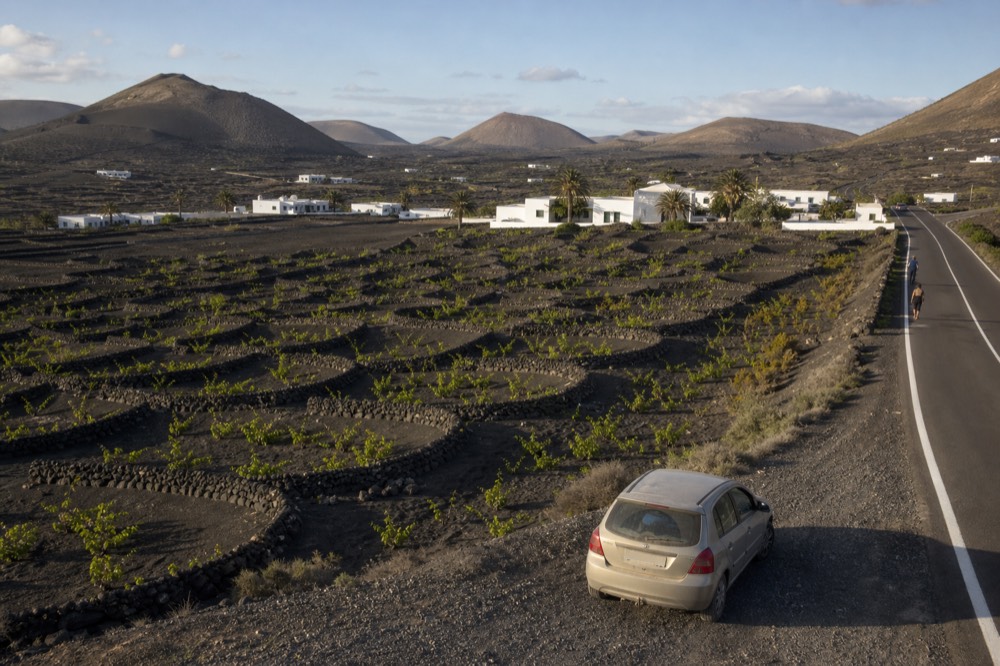
The quickest visit is the LZ-30 drive. The LZ-30 runs the length of La Geria from the Monumento al Campesino junction to Uga, and it is a short drive end to end without stopping. Add a few stops for photos, and you are done in 30 minutes. That is enough for a first impression, and many visitors do exactly that. The road is well signed, and the pull-offs are obvious, though there are no official parking areas for the vineyards themselves. Pull over where it is safe, and do not block the farm tracks.
A single bodega visit with a tasting usually takes 45 to 90 minutes. El Grifo's audio-guided tour with a two-wine tasting is 45 minutes. Bodegas Rubicón's "Entre Muros y Viñedos Centenarios" tour is 45 minutes, and it runs daily at 13:30. Bodegas Los Bermejos does a guided visit by appointment for about 40 minutes, with a terrace tasting at the end. A multi-winery tour with transport, like the Three Wineries tour, takes three and a half hours. A guided hike with tasting takes about four hours. The time you spend depends entirely on how much you want to taste and how many stops you make.
If you are short on time, pick one bodega, taste, and leave. If you have a half-day, a guided tour or a hike is the best use of the morning or afternoon. If you are staying in Puerto del Carmen, you can be in La Geria in 17 minutes, spend two hours, and be back on the beach by lunch. The compact size of Lanzarote means that even a four-hour wine experience leaves you most of the day for other things, which is not true of wine regions that require a full day of driving.
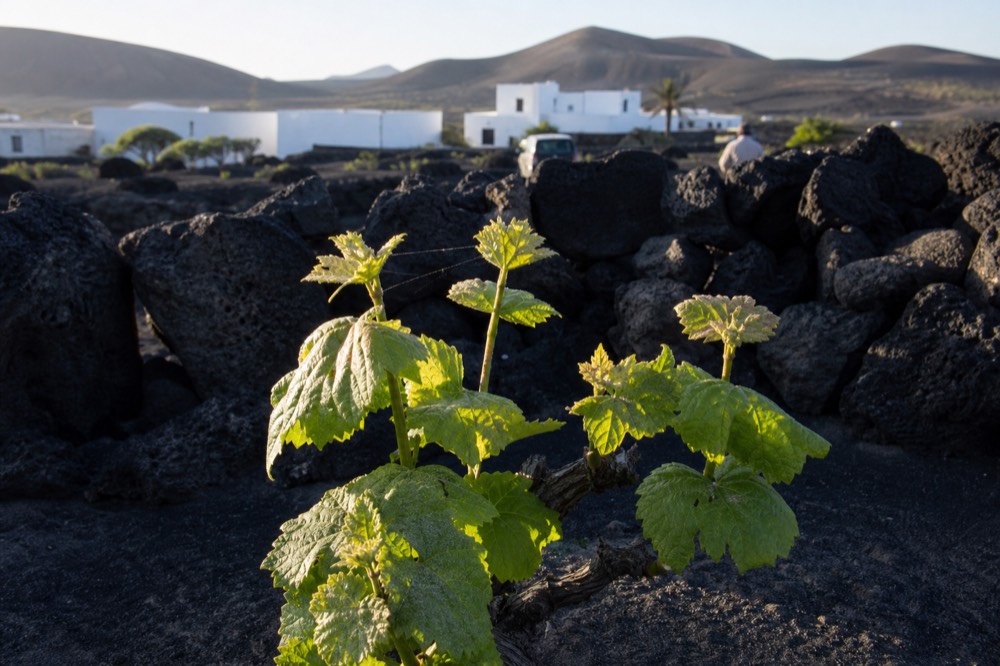
The harvest season, which starts in July, adds another layer. The first Malvasía Volcánica grapes came in during the first week of July 2026, and the traditional vendimia events with camel-drawn harvests and parrandas ran in mid-August. If you are visiting in summer, the vineyards are active and the bodegas are busy. If you are visiting in winter, the landscape is quieter and the light is softer, but the tasting rooms are still open. There is no bad time to visit La Geria, but the experience changes with the season, and the summer harvest is the most vivid.
Common Questions About La Geria
Is La Geria Worth Visiting?
Yes, if you understand what it is. La Geria is a working volcanic vineyard, not a wine-tourism strip. A half-hour drive-through is enough for some, but the experience is richer if you book a tasting or a guided walk. The answer changes if you want to taste wine but cannot drive, in which case a guided tour is the solution.
Can You Walk Around La Geria On Your Own?
You can walk along the roadsides and stop at the viewpoints, but the vineyards themselves are private land. A guided hike takes you into the pits with permission and includes a tasting at the end.
Is La Geria Free To Enter?
The landscape is free to drive through and to photograph. The bodegas charge for tastings and guided tours. The Casa Museo del Campesino at the northern end is free.
How Far Is La Geria From The Resorts?
Every resort is within half an hour: Puerto del Carmen about 17 minutes, Playa Blanca about 25 minutes, Costa Teguise about 29 minutes, and Arrecife about 21 minutes.
Do You Need A Car To Visit La Geria?
A car is the easiest way to see the landscape, but you need a driver who is not drinking if you plan to taste. Guided tours with pickup and guided hikes solve the transport problem.
What Is The Best Time Of Day To Visit La Geria?
The light is best in the early morning or late afternoon. Midday is harsh and the tasting rooms are quieter. The harvest runs in July, and the traditional vendimia events happen in mid-August.